
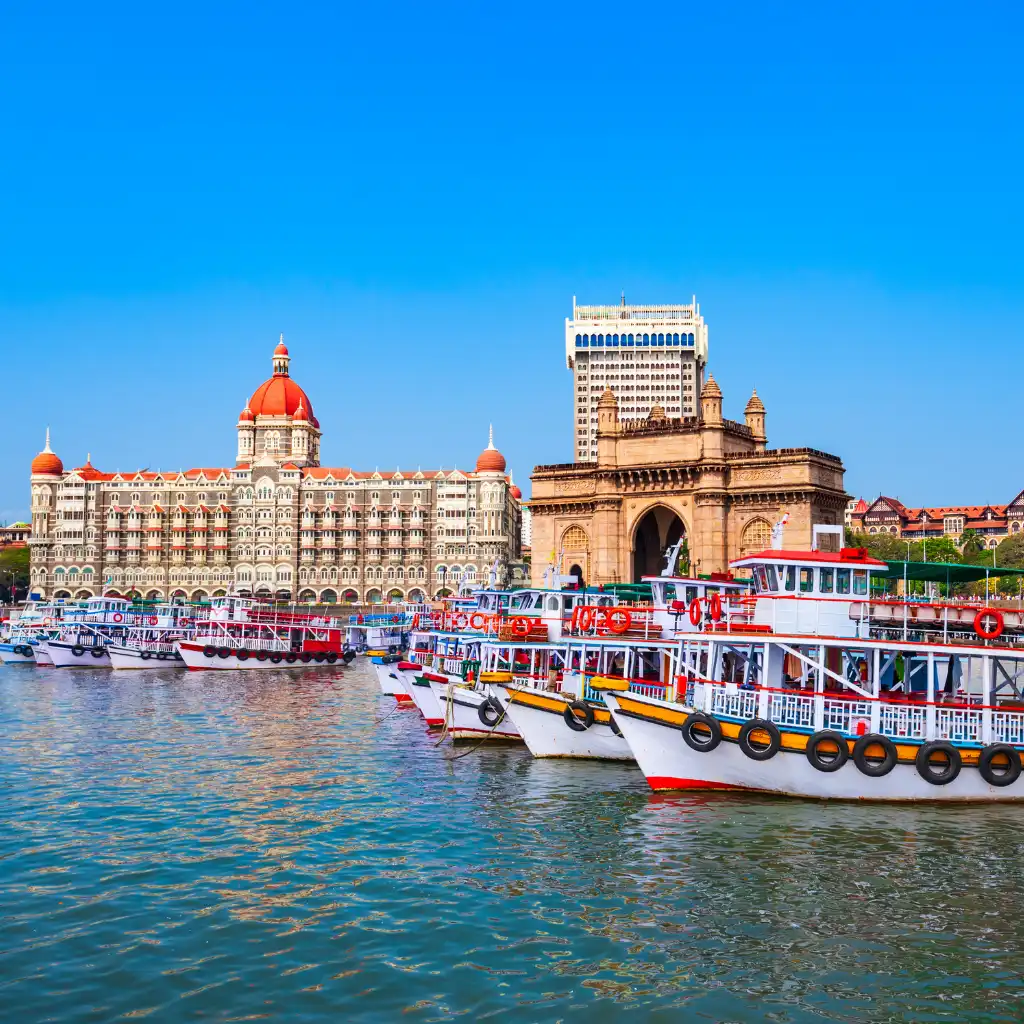
You step out of the Andheri airport terminal, and the thick, humid air immediately sticks to your clothes. The smell of frying vada pav, exhaust smoke, and sea salt hits your nose before you even reach the chaotic pickup lane to find your taxi. Mumbai does not ease you in gently or offer a quiet buffer zone for jet lag. You come to this massive coastal city to eat incredibly spicy street food on noisy beaches and navigate crowded local trains that never seem to slow down. This list gives you the absolute best spots to focus your energy on, the overrated tourist traps to avoid, and the exact logistical tools you need to survive the chaos.
Stand Under the Gateway of India at Dawn
 Save This Pin
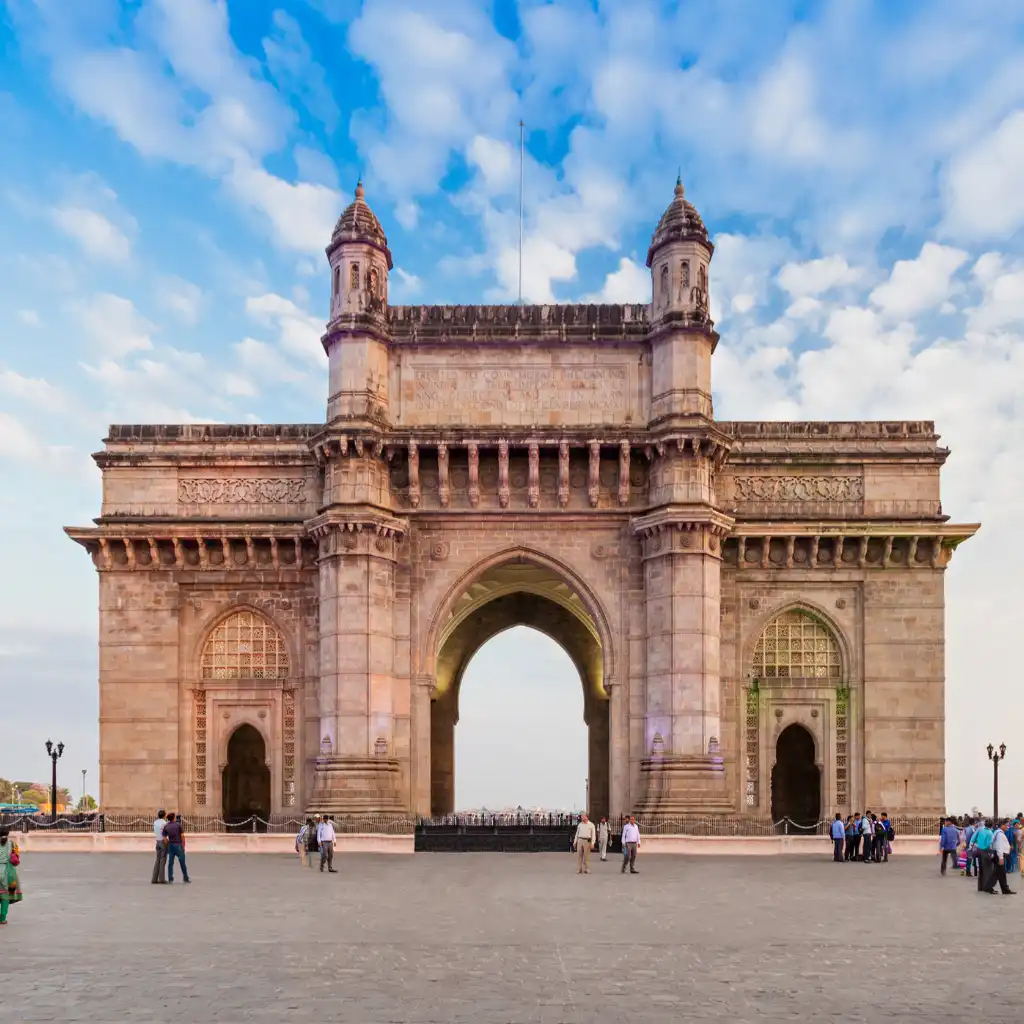
Beat the terrible midday heat and the aggressive balloon sellers. Arrive at this massive basalt arch by six in the morning if you want to see the stone details without a thousand people bumping into your shoulders. Watch local ferry boats line up along the harbor wall as the sun rises over the dark Arabian Sea. Skip late-afternoon visits; the sheer volume of tourists and persistent street photographers makes it impossible to cross the open plaza.
Itinerary Spotlight: Scheduling an early-morning monument visit before a scheduled boat ride usually means missing your departure time. You plan a multi-day trip hour by hour with activities, timings, costs, and notes, then drag stops to reorder them perfectly while day totals sit right in the plan. Check TripForge below.
Ride the Ferry to the Elephanta Caves
 Save This Pin
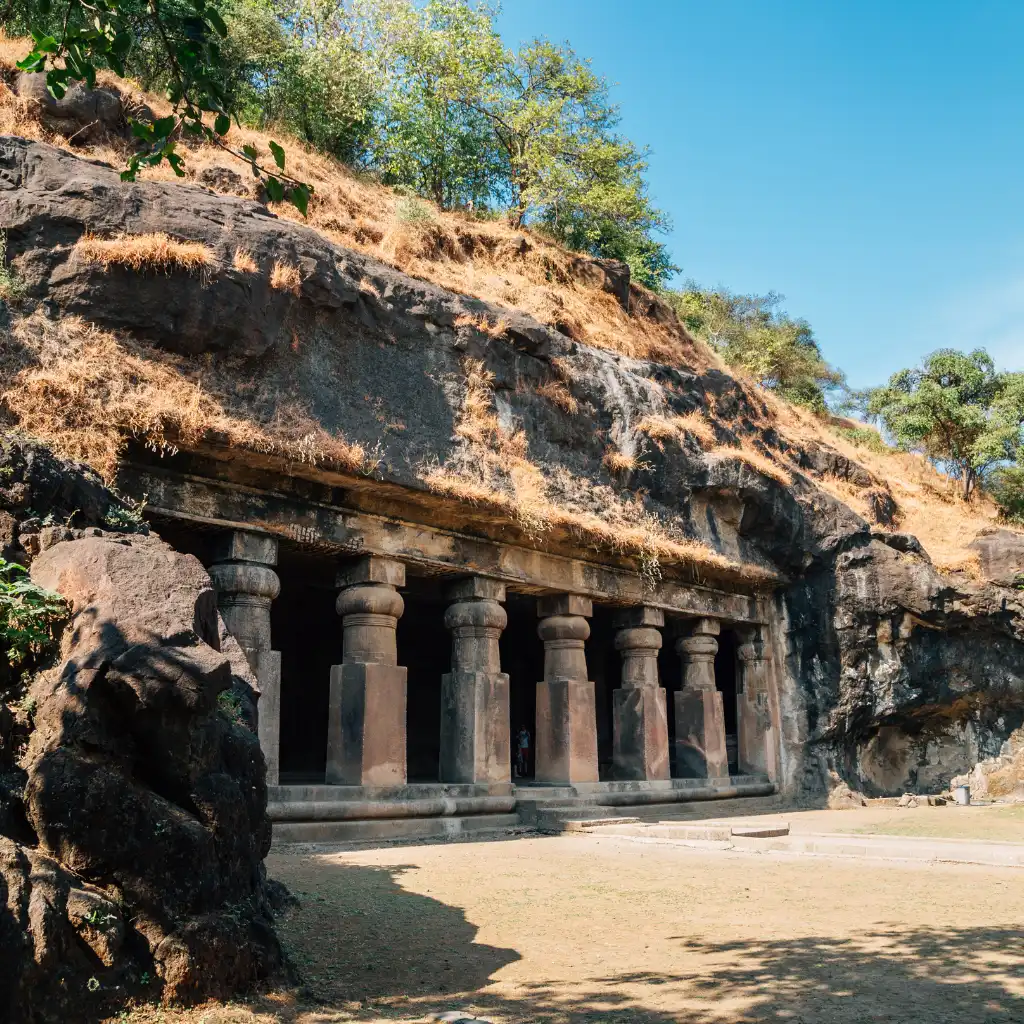
Take the slow boat across the harbor to see ancient rock carvings. Board a basic wooden ferry behind the Gateway of India and ride for an hour across open water to a thick, tree-covered island. Climb the steep concrete stairs to explore massive stone caves dedicated to the Hindu god Shiva, with intricate carvings dating back to the fifth century. Don't carry food or leave your bag unzipped, or the aggressive island monkeys will steal your snacks right in front of you.
Activity Spotlight: Book your boat tickets and an English-speaking guide ahead of time to avoid negotiating with aggressive ticket touts screaming on the docks. Book a comprehensive half-day tour through Klook.com to ensure you get a knowledgeable local who can explain the mythological history behind the massive stone sculptures.
Eat Street Food at Juhu Beach
 Save This Pin
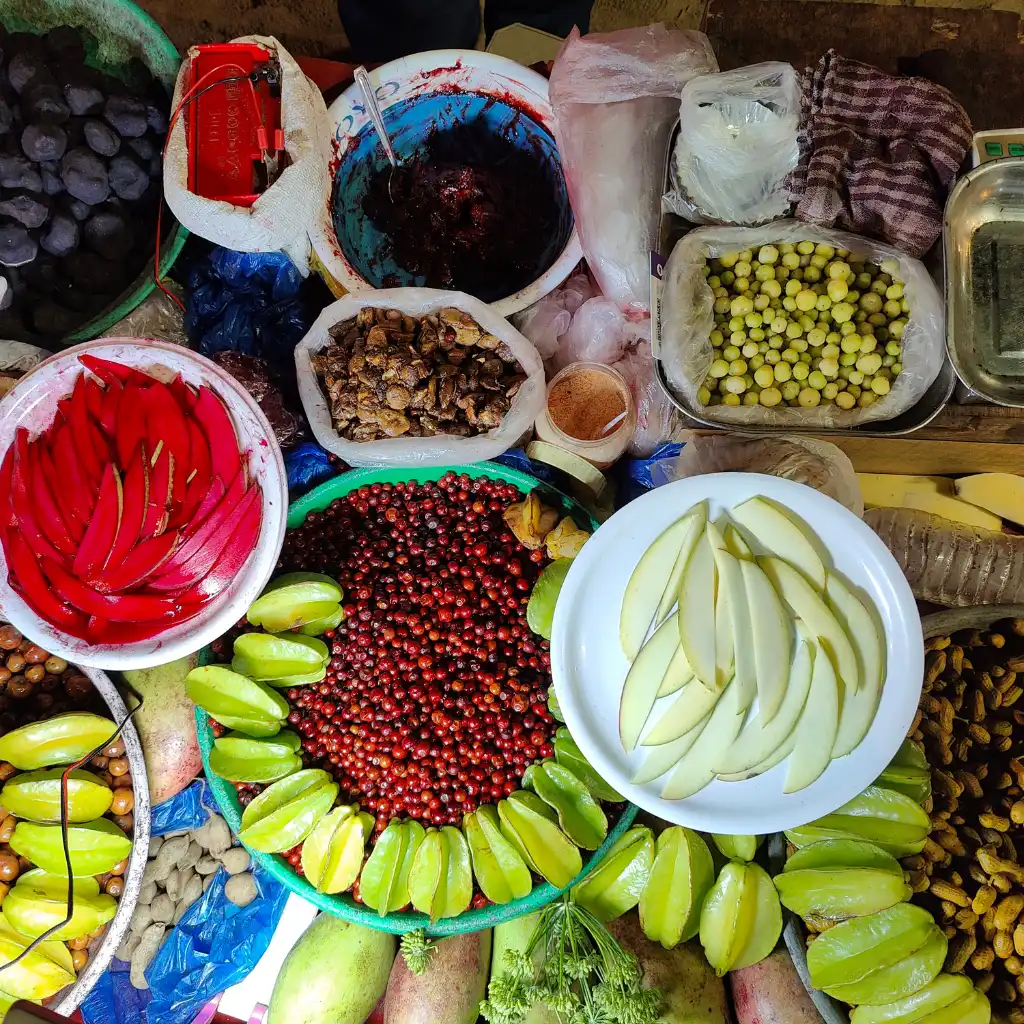
Skip the ocean water and focus entirely on the spicy potato snacks. Head to this wide stretch of sand right before sunset to join thousands of local families eating fresh snacks from bright food stalls. Order a plate of butter-drenched pav bhaji and watch the sky turn orange over the water while kids play cricket in the wet sand. I highly recommend avoiding the ocean water completely, as local pollution levels remain incredibly high and the waves carry a surprising amount of plastic waste.
Hotel Spotlight: Staying near the beach helps you avoid the crushing evening traffic when you just want to shower and sleep after a long day of walking. Book a sea-facing room at the JW Marriott Mumbai Juhu through Booking.com so you can walk straight off the busy sand into a quiet, heavily air-conditioned lobby.
Walk the Marine Drive Promenade
 Save This Pin
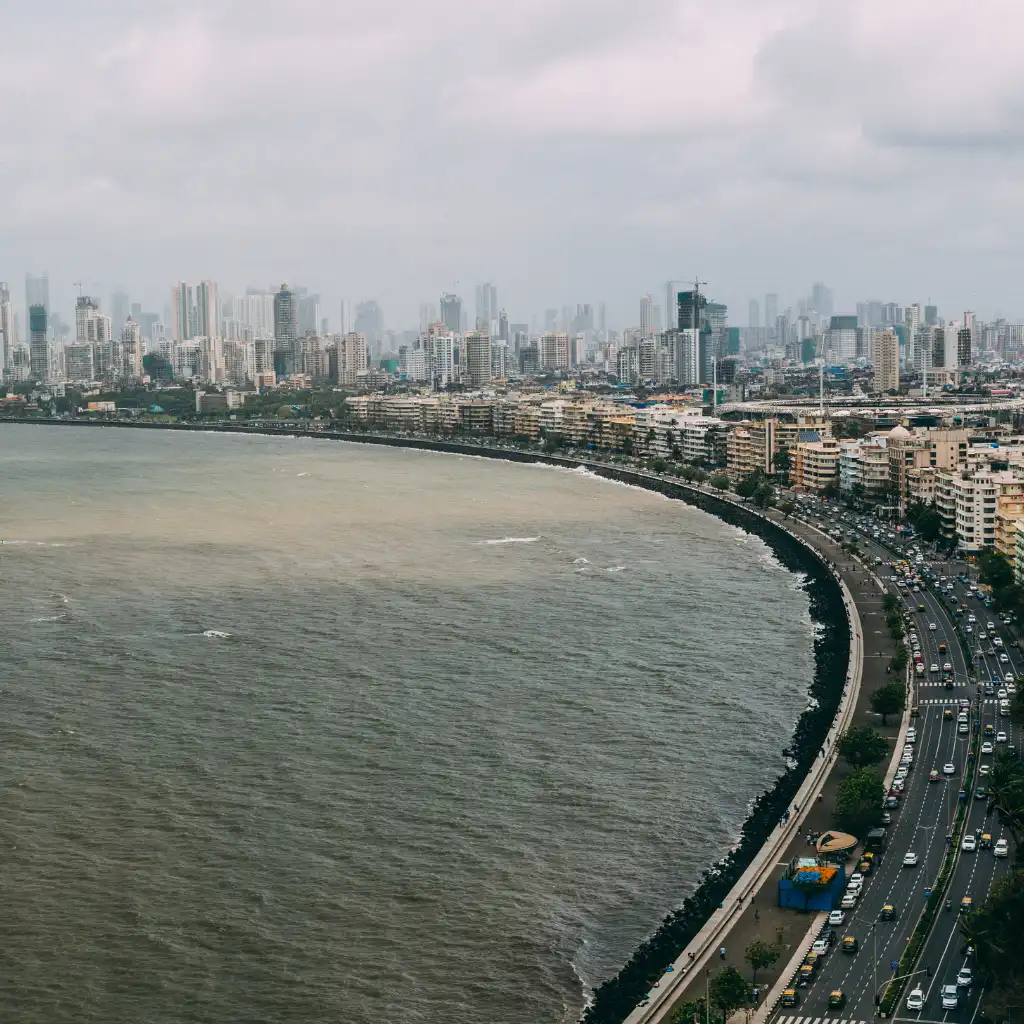
Stroll the curved sea wall before the heavy evening traffic begins. Walk this long, curved stretch of concrete pavement from Nariman Point to Chowpatty Beach, watching the waves crash against the heavy tetrapod rocks. Sit on the stone wall with a cold bottle of water and watch the city slowly light up into the famous Queen's Necklace along the dark bay. Avoid coming here on a Sunday evening unless you enjoy being crushed by thousands of college students, street vendors, and screaming kids competing for walking space.
Expense Spotlight: Tracking small cash payments for bottled water, roasted peanuts, and quick taxi rides usually ends in lost receipts and general financial confusion. Set a total budget, log daily spending by category, and see exactly what is left, while overspend alerts and a simple end-of-trip report keep the week from drifting. Check TripBudget below.
Photograph Chhatrapati Shivaji Maharaj Terminus
 Save This Pin
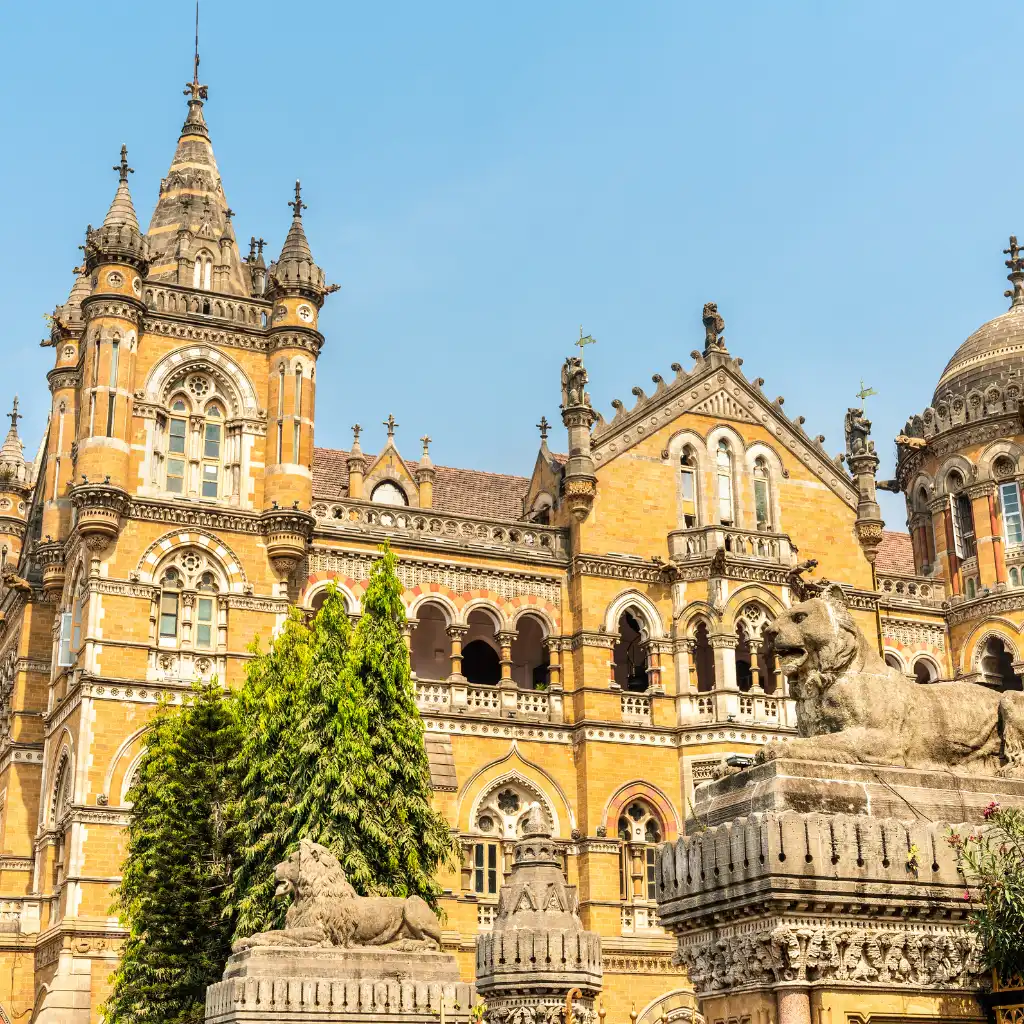
Admire the wild Gothic architecture from the viewing platform across the street. This massive train station looks like an imposing Victorian cathedral covered in gargoyles, stained-glass windows, and intricate stone animals carved into the high arches. For the best photos, stand on the dedicated pedestrian viewing deck across the busy intersection right as the exterior lights turn on at dusk. I suggest skipping the interior platforms during the evening rush hour because the crushing wave of millions of commuters running for their trains will easily knock you down.
Paperwork Spotlight: Moving around India means keeping your passport, regional visas, and digital hotel bookings organized so you never panic at a security checkpoint. You pick a passport and a destination, and it gives you a complete list of passport validity, visas, vaccines, and insurance, with due dates and reminders on the dashboard. Check DocsTracker below.
Take a Guided Walk Through Dharavi
 Save This Pin
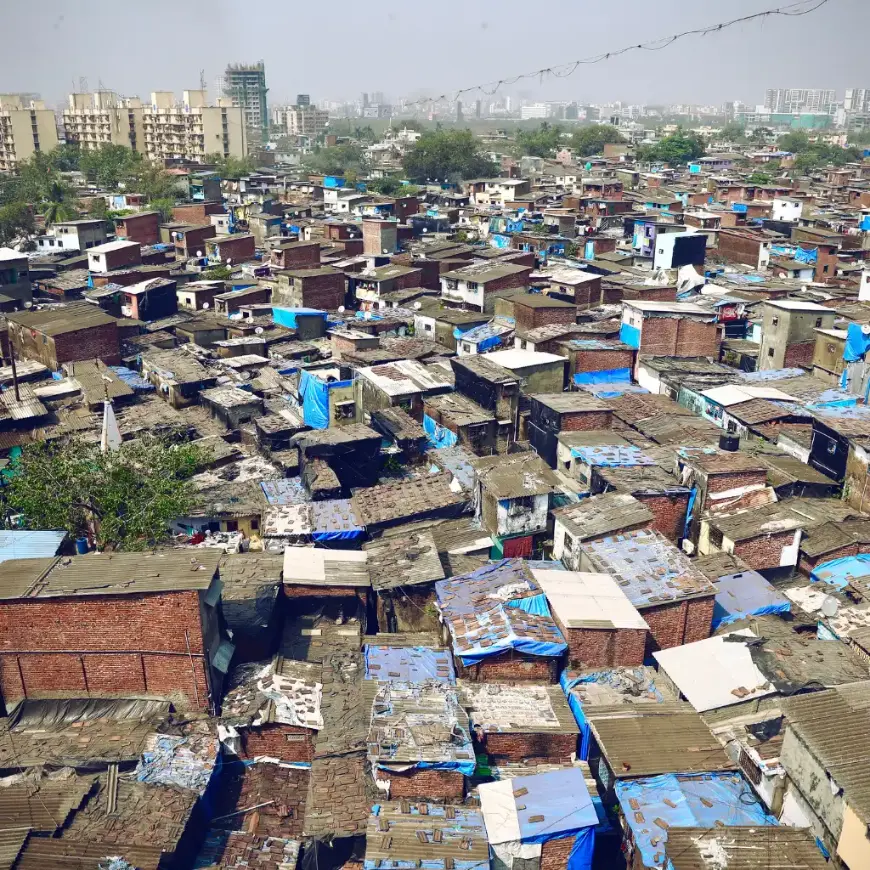
See the massive recycling industries operating inside the famous neighborhood. Book a professional local guide to walk you through Dharavi's narrow, twisting alleyways and see its massive plastic recycling and leather-production workshops. Watching workers expertly sort raw materials and operate heavy machinery gives you a completely different perspective on how the informal economy actually powers this massive city. Never try to walk through this maze alone to take poverty photos, because the residents are busy working, and you will immediately get hopelessly lost in the identical residential lanes.
Walking Tour Spotlight: Booking a resident guide ensures your money goes directly back into the neighborhood community rather than to a large corporate agency. Book a respectful, small-group walking tour via Klook.com to learn the real economic facts about the area without disrupting local workers.
Walk the Causeway to Haji Ali Dargah
 Save This Pin
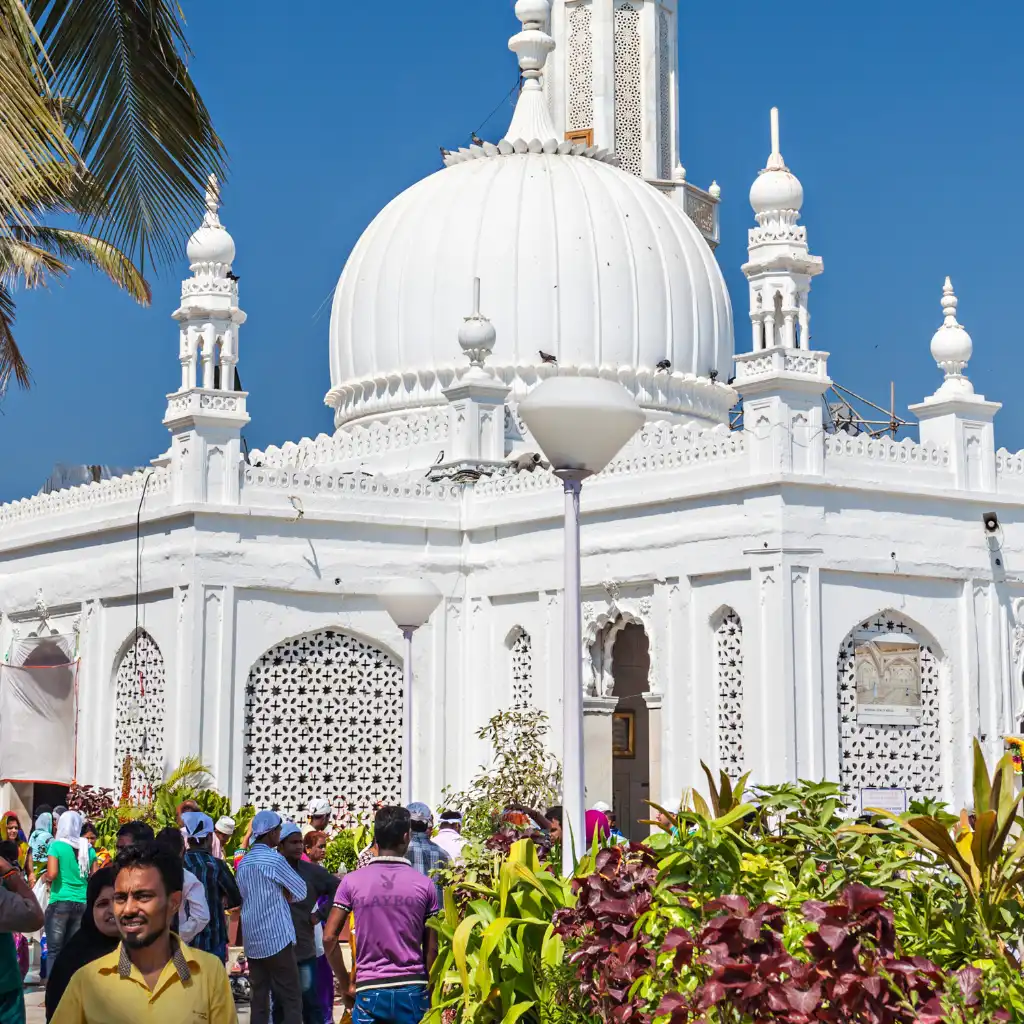
Check the local tide charts before visiting this island shrine. This beautiful white mosque sits on a tiny island in the Arabian Sea, connected to the mainland by a narrow concrete walkway that disappears underwater at high tide. Arrive two hours before low tide to walk the path safely while watching local vendors sell flowers, incense, and cheap plastic toys along the concrete edges. Don't wear shorts or sleeveless shirts, because religious authorities enforce a strict dress code and will make you rent a heavy cover-up at the gate.
Camera Spotlight: Shooting architecture in harsh sunlight with reflective water requires a camera sensor that can handle extreme contrast without blowing out the sky. Bring a powerful mirrorless camera like the Sony Alpha a7 IV to capture the bright white domes against the dark blue water without losing the fine architectural details.
Shop for Antiques in Chor Bazaar
 Save This Pin
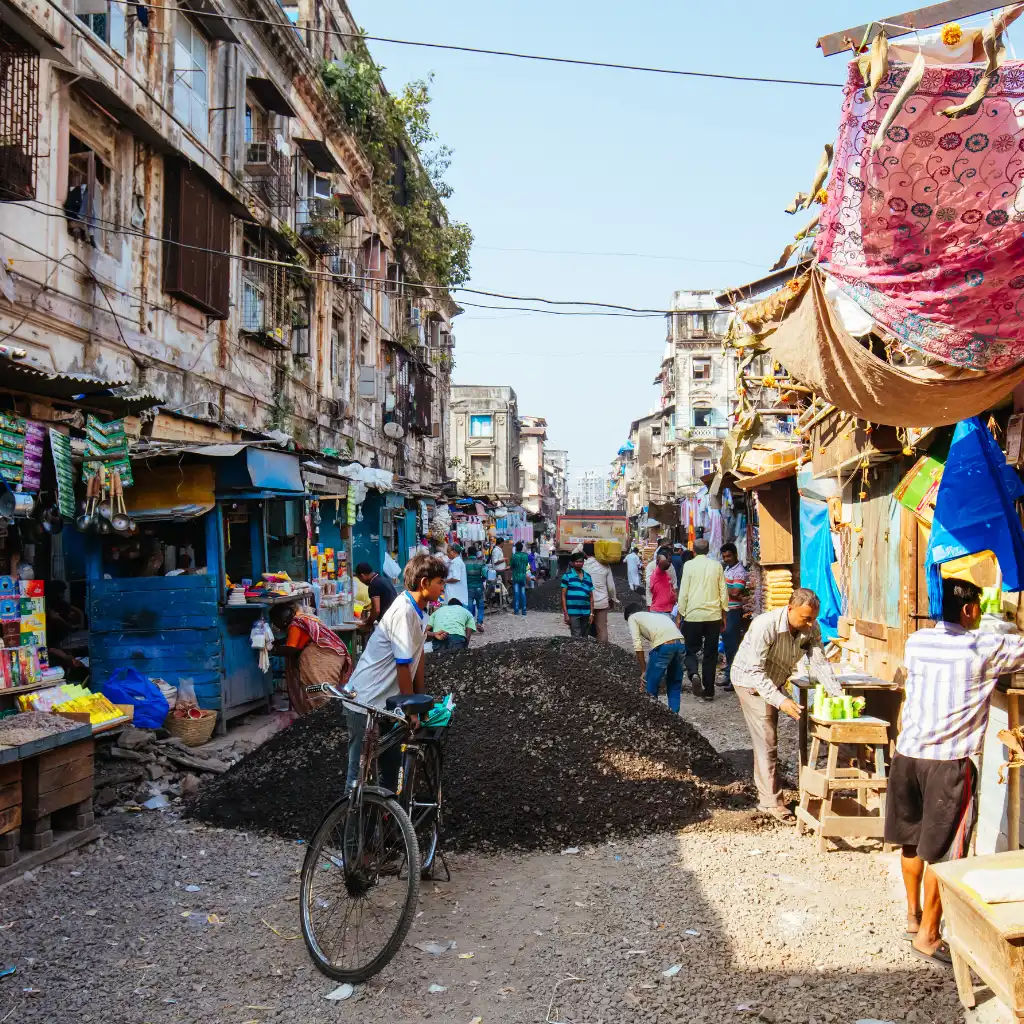
Hunt for vintage brass cameras and old Bollywood posters in the early morning. Dig through dusty cardboard boxes filled with old rotary phones, heavy brass compasses, and vintage movie posters in this massive, chaotic flea market in South Mumbai. Arrive at nine, when vendors roll up their metal shutters, to grab the best items before serious antique dealers buy them all. I would strongly advise keeping your wallet in your front pocket and ignoring the aggressive sellers who try to force cheap replica watches into your hands as you walk by.
Payment Spotlight: Splitting the cost of group taxis, shared lunches, and heavy shipping fees for large antique purchases gets extremely annoying when you travel with friends. Add shared costs and split them equally by amount, percentage, or shares so one settlement summary shows who owes whom, with as few individual payments as possible. Check GroupSplit below.
Hike to the Kanheri Caves in Sanjay Gandhi National Park
 Save This Pin
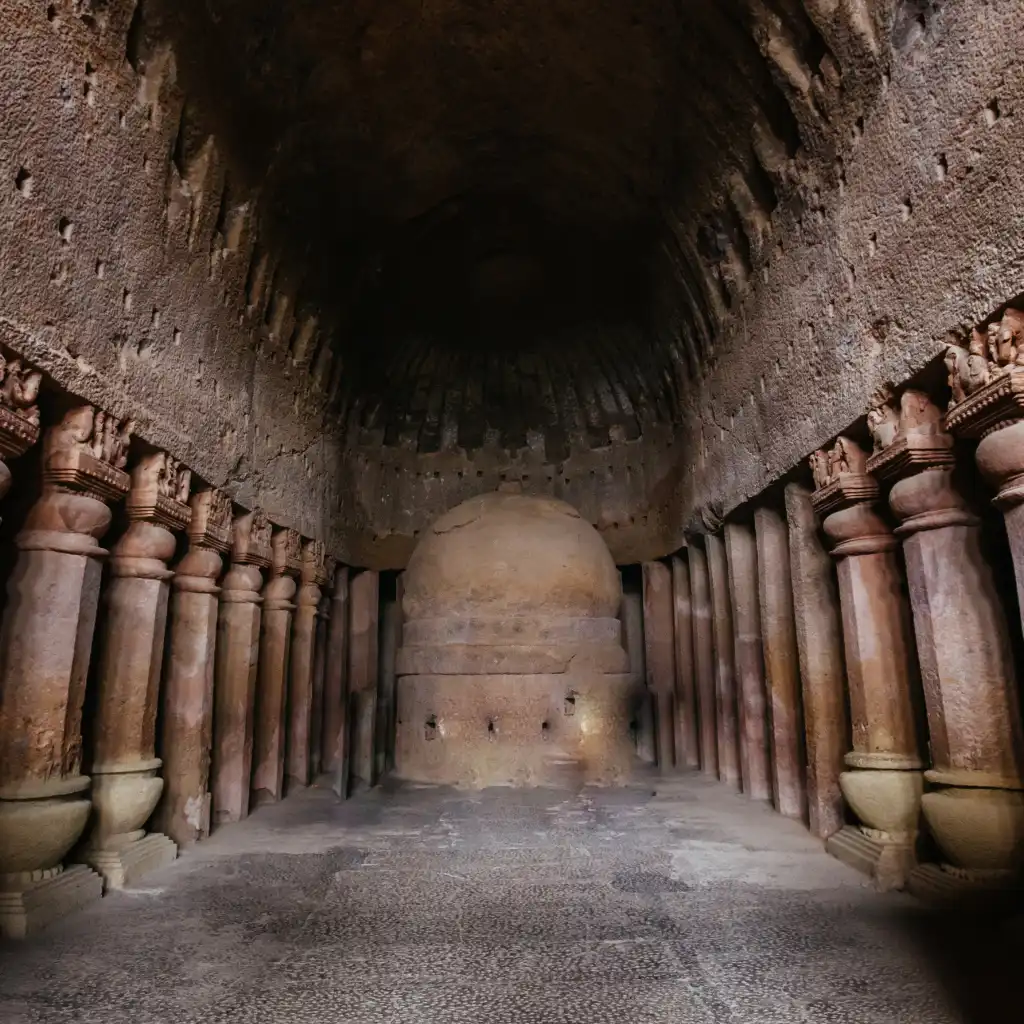
Escape the noisy city traffic to find ancient Buddhist meditation cells. Take a cheap auto-rickshaw deep into the national park's green forest to find over a hundred ancient caves carved directly into a massive basalt hillside. Climb the rocky steps to explore the grand main prayer hall, with towering stone pillars and a giant stupa for deep meditation away from the world. Skip the weekend visits when the park gets completely overrun by teenagers blasting music from their phones, and go on a quiet Tuesday morning instead.
Gear Spotlight: You will spend hours climbing uneven, broken stone steps in the brutal tropical humidity where a simple slip could easily ruin your entire trip. Invest in a durable pair of Columbia Newton Ridge Plus Waterproof Hiking Boots to keep your ankles secure and your feet dry on slick rock surfaces.
Watch the Laundry Dry at Dhobi Ghat
 Save This Pin
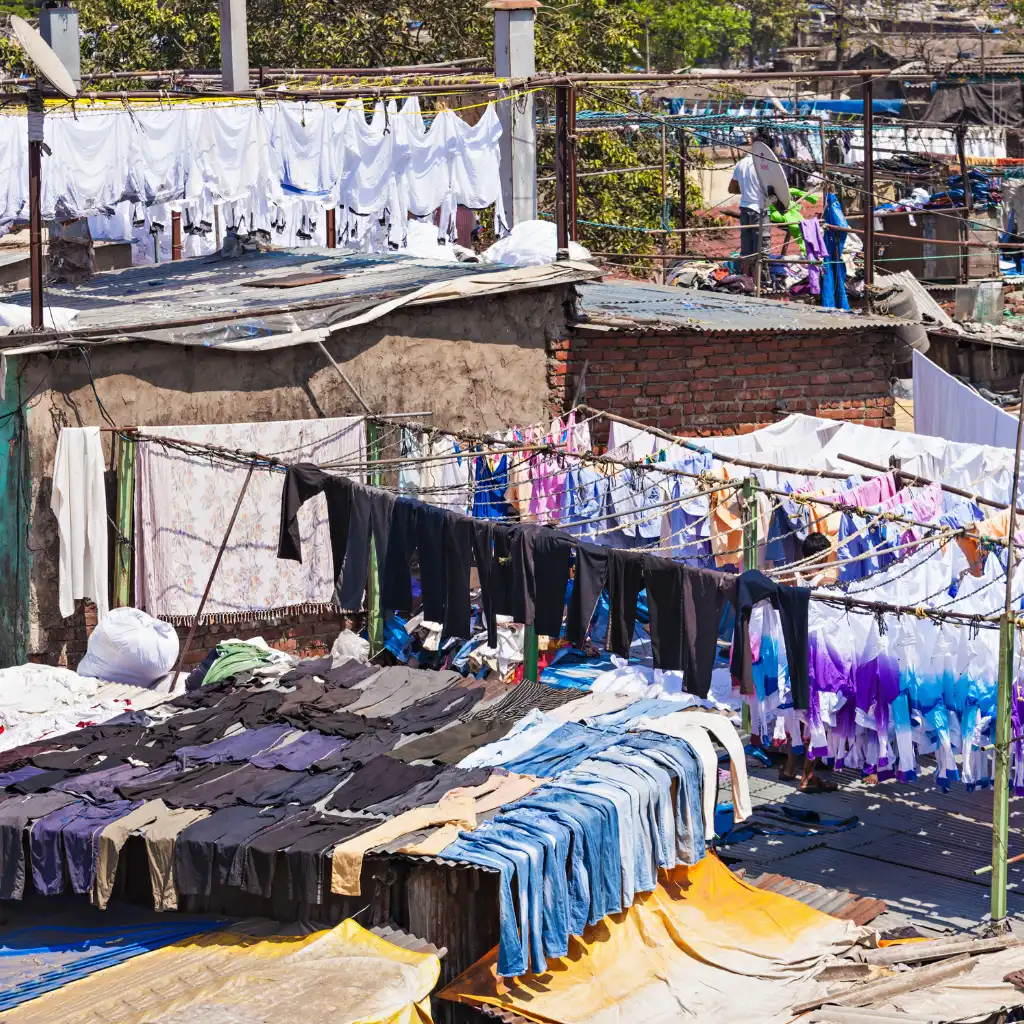
Stand on the bridge above the world's largest open-air laundromat. From the Mahalaxmi train station bridge, you can look down to see hundreds of concrete wash pens where workers manually scrub, beat, and dye thousands of garments every day. The sheer scale is visually stunning, with endless rows of colorful shirts and hotel sheets hanging from heavy ropes and drying in the hot sun. Don't try to walk down into the washing pits yourself; the stone paths are incredibly slippery with soapy water, and you will just get in the way.
Protection Spotlight: Walking on wet train platforms or trying new street food in a busy urban center could lead to a sudden twisted ankle or a nasty stomach bug. Get comprehensive coverage from a top provider like VisitorsCoverage so you can visit a private hospital without draining your savings to pay immediate medical bills.
Eat at Leopold Cafe on Colaba Causeway
 Save This Pin
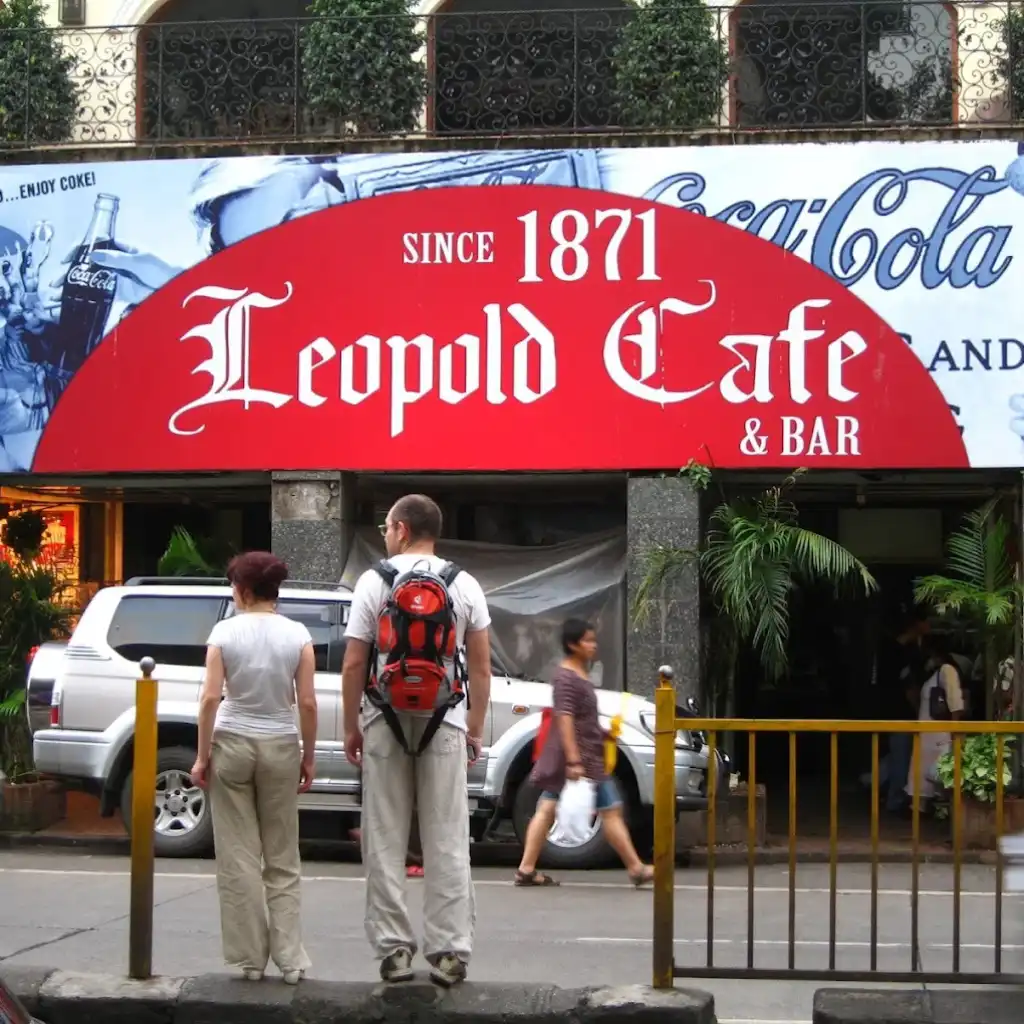
Grab a cold beer at a historic restaurant with bullet holes in the walls. You grab a small table under the spinning ceiling fans at this legendary cafe, which has served cold beer and heavy plates of chicken tikka to travelers since the 1870s. Servers move incredibly fast through the tight space, dropping off plates of spicy food as loud conversations from backpackers and locals bounce off the high ceilings. Don't show up at eight o'clock for dinner unless you want to wait on the hot sidewalk for forty minutes behind a massive line of hungry tourists.
Packing Spotlight: Figuring out how to pack breathable cotton shirts for the heavy humidity while still bringing decent clothes for historic restaurants always causes luggage stress. Answer 18 short questions and get a full packing list, sorted by category, that you can edit right on your phone, ticking items off as you pack so the charger doesn't stay on the kitchen table. Check PackPilot below.
Browse the Spices at Crawford Market
 Save This Pin
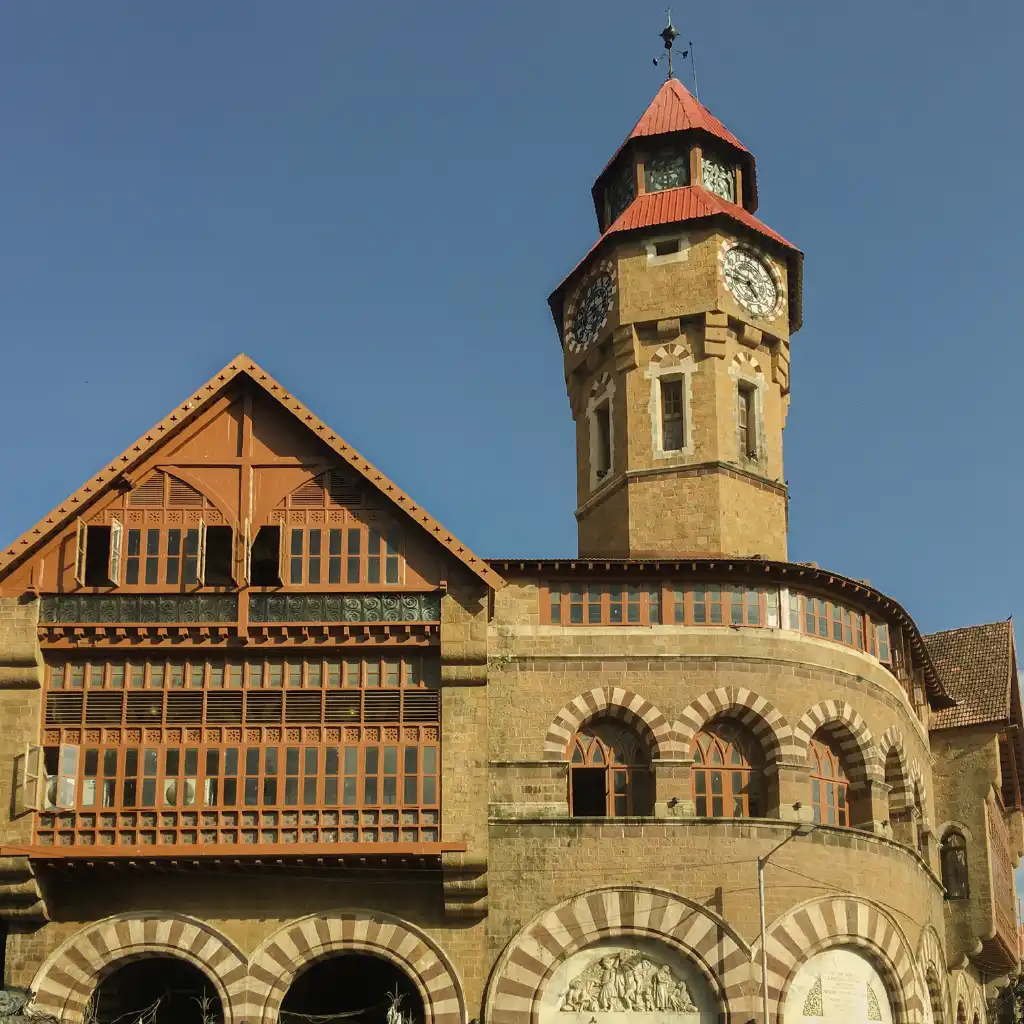
Buy fresh cashews and local tea blends under a massive clock tower. Step inside this colonial-era market building and immediately hit a wall of intense smells from massive mounds of dried red chilies, fresh turmeric, and raw cinnamon sticks. You can negotiate excellent prices on heavy bags of cashews and fresh Alphonso mangoes if you know how to push back against the initial tourist markup politely but firmly. I strongly suggest skipping the dark pet section in the back of the market, because the cramped cages and poor conditions will ruin your afternoon.
Hotel Spotlight: Carrying heavy bags of spices and fruit across town on a crowded train is a terrible idea when you are already sweating through your shirt. Book a comfortable, centrally located room at the Taj Mahal Tower Mumbai via Booking.com so you can drop off your shopping bags and head back out for dinner.
Visit the Dr. Bhau Daji Lad Museum
 Save This Pin
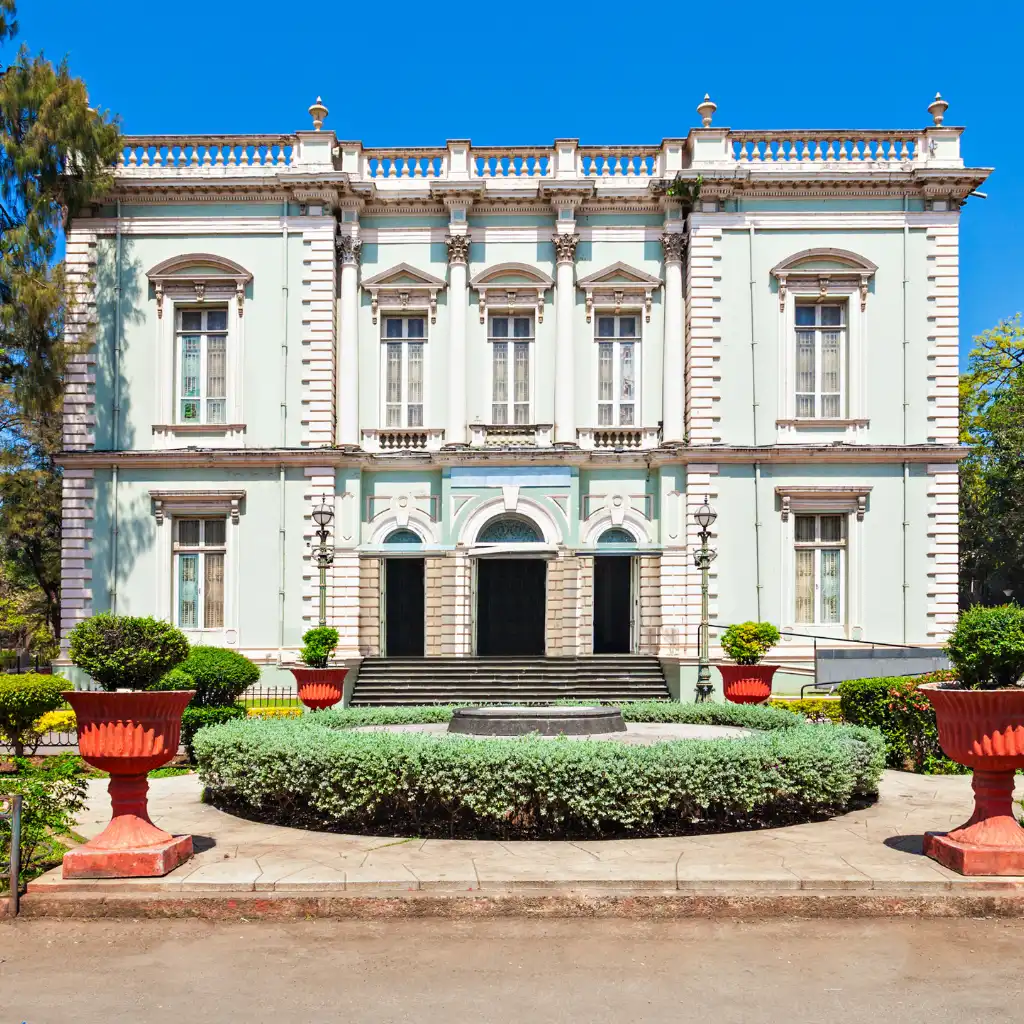
Walk through the city's oldest museum to see stunning Victorian interiors.
Step inside this beautifully restored 19th-century building in Byculla to find an incredible collection of clay dioramas showing early life in the city. Look up at the ceiling to see heavy Victorian chandeliers hanging from intricate gold-and-blue stenciled arches that look nothing like standard modern galleries. I'd skip the crowded weekend afternoons when local school groups pack the main hall and come on a quiet Thursday morning instead.
Route Spotlight: If you plan to fly from Mumbai to Goa or Kerala after your city stay, watch domestic flight prices closely to avoid paying heavy last-minute fares. Compare flights to Goa on Skyscanner to find the cheapest departure times, and set up alerts for your specific route months before you pack your bags.
Drink Coffee in the Kala Ghoda Art Precinct
 Save This Pin
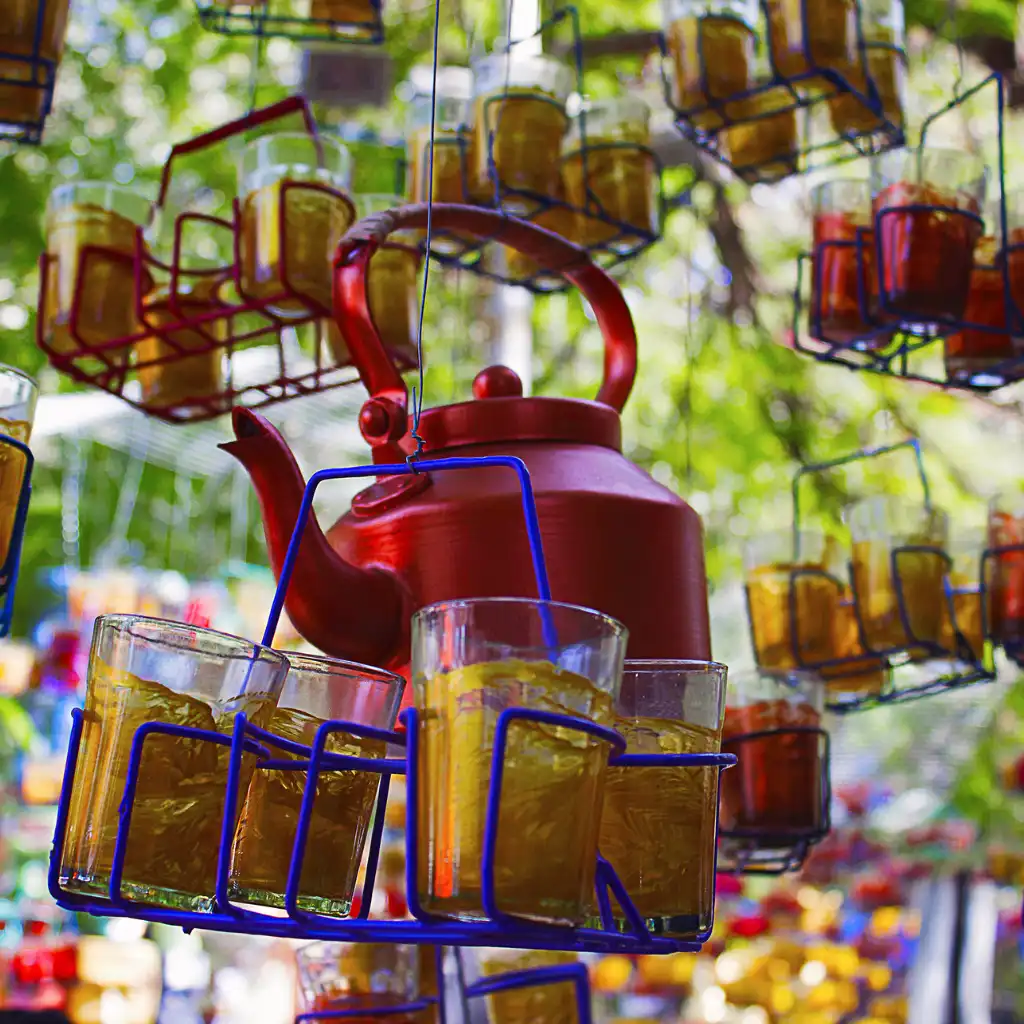
Find independent art galleries and quiet cafes in the old heritage district. Walk down Kala Ghoda's wide, leafy pavements to find the best modern art galleries, small independent bookstores, and high-end boutique clothing shops in the city. Grab a flat white at Kala Ghoda Cafe, where young designers and local writers work on laptops under the high wooden rafters of a restored heritage building. Don't try to park a car anywhere near this neighborhood; the narrow streets offer zero spaces, and the traffic police will tow your vehicle away in five minutes flat.
Cafe Tour Spotlight: Finding truly excellent local art spaces among expensive tourist traps takes insider knowledge from someone who actually lives in the neighborhood. Book a specialized art and cafe walking tour on Klook.com to skip the generic shops and find local artists doing the most interesting work right now.
Drive Across the Bandra-Worli Sea Link
 Save This Pin
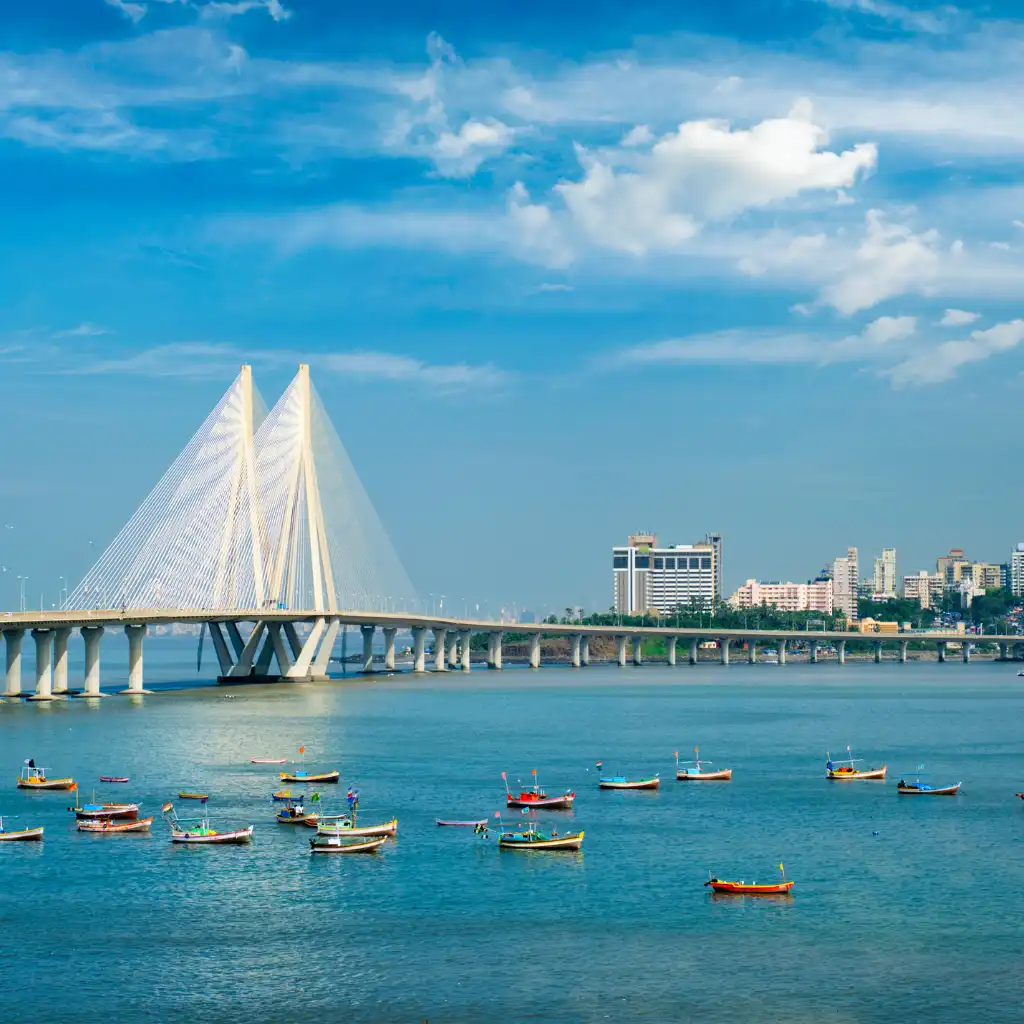
Take a fast taxi across the modern suspension bridge to reach the northern suburbs. Hire a taxi in South Mumbai and speed across this massive steel cable bridge, cutting the terrible commute to the northern neighborhoods in half. Look out the window for incredible views of the massive city skyline reflecting perfectly on the dark ocean as you drive suspended above the bay. You cannot walk or take a rickshaw across this bridge under any circumstances, so you'll need a standard taxi for the quick trip.
Hotel Spotlight: Staying in Bandra puts you right next to the best modern restaurants, trendy bars, and high-end shopping streets the younger crowd actually frequents. Book a modern suite at the Taj Lands End, Mumbai through Booking.com for incredible views of the Sea Link bridge right from your private hotel window.
Mumbai demands patience and a willingness to accept the noise, the crowds, and the intense heat. You don't need to see every temple, market, and monument to understand how this massive engine of a city operates. Pick a few spots from this list, wear your most comfortable shoes, and leave plenty of room in your schedule to drink a cold lime soda on the sea wall.
Frequently Asked Questions
When is the absolute best time to visit Mumbai?
The weather feels most comfortable from November to February, when the heavy monsoon rains finally stop, and humidity drops significantly. You avoid the crushing summer heat, making it much easier to hike the local caves and walk the city streets without sweating through your clothes. Traveling during this window means paying peak hotel prices, but the clear skies make it worth the extra cash.
How many days do I actually need for a trip here?
You need at least four full days to see the southern monuments, the northern suburbs, and the local caves without losing your mind. A shorter trip forces you to spend half your vacation sitting in a hot taxi, stuck in slow, winding traffic jams behind massive cargo trucks. Give yourself enough time to spend two full days in each major district so you can actually unpack your bag and sleep.
Should I rent a car and drive myself around the city?
I highly recommend hiring a local driver instead of renting a car and navigating the chaotic highway traffic yourself. Local roads are narrow, city buses drive aggressively around blind corners, and parking in the southern districts is a major daily headache. A hired driver costs surprisingly little, knows the fastest local shortcuts, and removes the stress of figuring out right-of-way rules at intersections.
Is it safe to eat the street food near the beaches?
You can safely eat local street food if you stick to busy stalls that cook it fresh over high heat right in front of you. Avoid pre-cut fruit sitting out in the open, and never drink tap water or accept loose ice in your cold drinks. Follow the local crowds to the busiest food carts, because high turnover means the raw ingredients never sit around long enough to spoil.
Do I need to carry cash or do places take credit cards?
Large hotels, fancy restaurants, and government tourist offices happily accept major international credit cards without any technical issues. You'll still need a thick stack of rupees for tipping your drivers, buying tea from small roadside stalls, and quick auto-rickshaw rides across town. Hit an ATM at the airport when you land so you have plenty of small bills ready for the rural local markets.